Real estate investment is evolving. For decades, the focus remained on high-rise apartments, commercial complexes, and city-based developments. But today, a noticeable shift is happening. Investors are exploring new possibilities beyond crowded metropolitan markets and discovering the long-term potential of nature-driven properties.
This change is fueled by modern lifestyle preferences, growing tourism, and the increasing desire for wellness-focused living. Investors are no longer interested in properties that simply sit in dense city environments. Instead, they are searching for spaces that combine investment value, lifestyle benefits, and tourism demand.
Destinations near natural attractions such as Jim Corbett National Park and wellness hubs like Rishikesh are becoming attractive opportunities for investors looking to diversify their real estate portfolios.
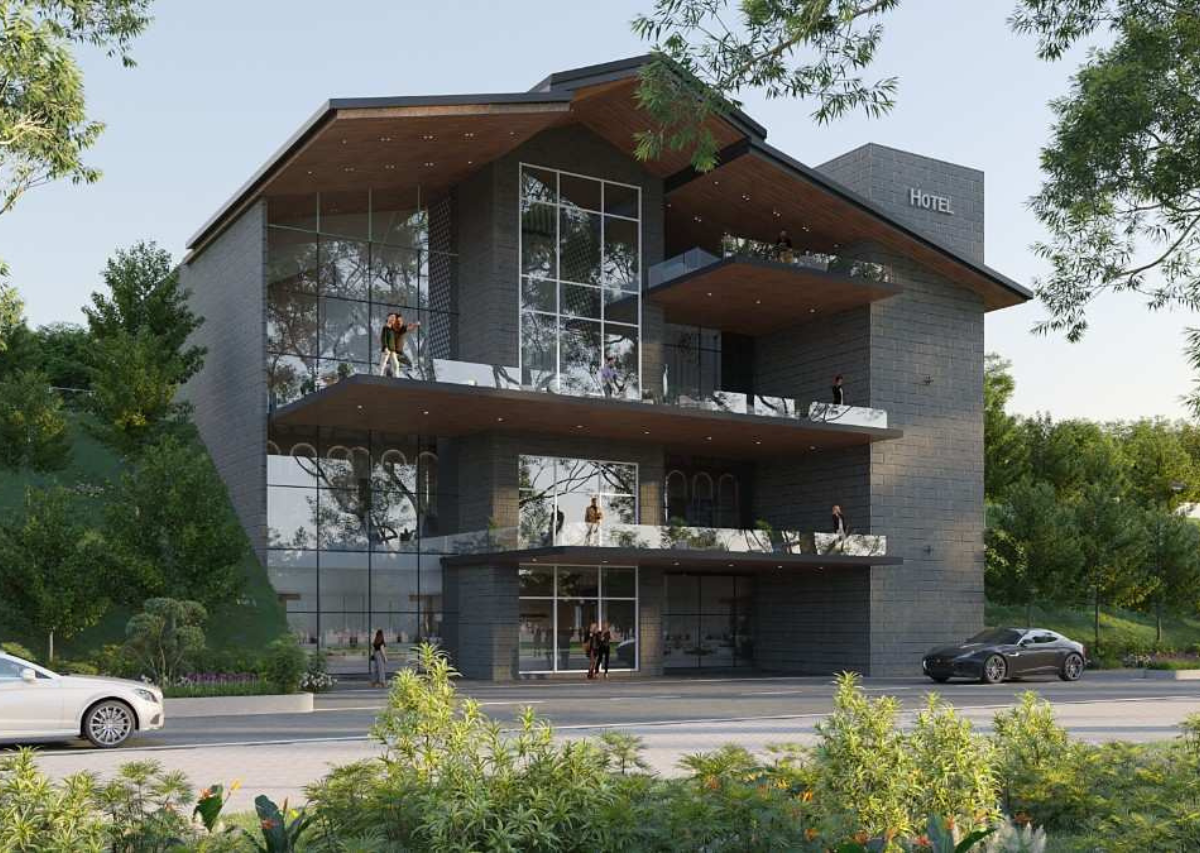
Companies like Eko Privilege are responding to this trend by developing eco-luxury resort communities and nature-inspired investment projects that align with modern travel and lifestyle preferences.
Let’s explore why investors are increasingly shifting from urban properties to nature retreat investments.
The Evolution of Real Estate Investment
Real estate markets have always been influenced by lifestyle trends, economic shifts, and consumer behavior. In the past, owning property in large metropolitan areas was considered the safest and most prestigious investment.
However, the priorities of modern investors are changing.
Today’s buyers are evaluating properties based on:
- Long-term investment potential
- Tourism-driven income opportunities
- Lifestyle and wellness value
- Environmental sustainability
- Flexibility for personal use and rental income
Nature retreats are emerging as the ideal option because they offer a balance between financial returns and personal lifestyle benefits.
Why Urban Real Estate Is Losing Momentum
Urban properties still hold value, but several factors are making them less attractive compared to nature-based investments.
Limited Rental Yield
- City apartments often deliver low rental yields, typically around 2–3% annually.
- High maintenance and society costs reduce overall profitability.
- Property appreciation in many metropolitan areas has slowed due to market saturation.
These limitations are encouraging investors to explore alternative real estate opportunities.
High Competition in Urban Housing Markets
Metropolitan cities have seen rapid development over the past two decades.
This has created:
- Oversupply of apartments
- Increased competition among landlords
- Slower price appreciation in certain areas
When the supply of properties becomes too high, rental returns and resale potential can become less predictable.
Urban Lifestyle Challenges
Cities offer convenience but also come with challenges that are pushing buyers to reconsider their investment choices.
Some of the common urban concerns include:
- Traffic congestion
- Limited open spaces
- Noise and pollution
- High population density
As a result, both investors and travelers are beginning to value properties located in peaceful natural surroundings.
The Rise of Nature Retreat Investments
Nature retreats are redefining the concept of real estate investment. These developments combine luxury living with natural landscapes, creating properties that appeal to both investors and travelers.
The appeal of nature retreats lies in their ability to serve multiple purposes.
They can function as:
- Vacation homes
- Resort investment properties
- Wellness retreats
- Tourism accommodation
- Weekend getaway destinations
This versatility makes them highly attractive in today’s evolving real estate market.
Growing Tourism Demand in Natural Destinations
Tourism trends in India have shifted significantly in recent years. Travelers are increasingly choosing destinations that offer natural beauty, adventure, and relaxation.
Wildlife tourism, for instance, has gained immense popularity. Areas surrounding Jim Corbett National Park attract visitors throughout the year who want to experience jungle safaris, nature walks, and luxury resort stays.
Similarly, wellness tourism continues to grow in spiritual destinations such as Rishikesh, where visitors seek yoga retreats, meditation programs, and rejuvenating holiday experiences.
This consistent tourism demand strengthens the investment potential of nature retreat properties.
Higher Income Potential from Hospitality-Based Properties
Unlike urban apartments that rely solely on monthly rent, nature retreat investments can generate income from multiple sources.
These properties often earn revenue through:
- Vacation rentals
- Resort bookings
- Destination weddings
- Corporate retreats
- Wellness programs and events
Because tourism operates year-round in popular destinations, such properties can generate significantly higher income compared to traditional residential investments.
The Growing Popularity of Second Homes
Another major factor driving nature retreat investments is the rise of second-home ownership.
Urban residents are increasingly purchasing vacation homes where they can spend weekends or holidays away from the busy city environment.
Second homes offer several advantages:
- Personal relaxation space
- A family holiday destination
- A potential rental property
- Long-term real estate appreciation
These benefits make nature retreats appealing not only to investors but also to families seeking a lifestyle upgrade.
The Importance of Wellness and Sustainable Living
Modern travelers and property buyers are placing greater emphasis on wellness and sustainability.
Nature retreat developments often incorporate eco-conscious design elements such as:
- Green building materials
- Landscape preservation
- Organic food experiences
- Natural water bodies and green spaces
Such features enhance the appeal of these properties while aligning with the growing global focus on sustainable tourism.
How Eco-Luxury Resorts Are Redefining Real Estate
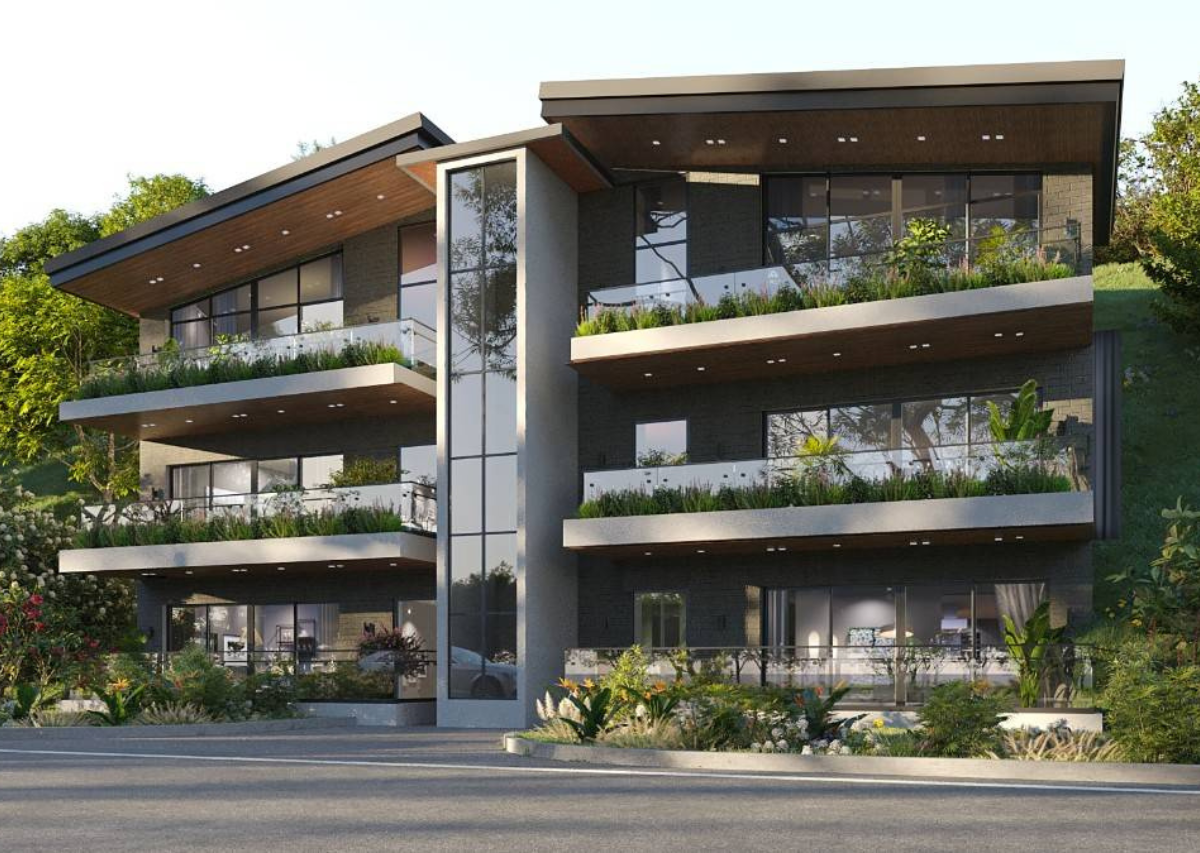
Nature retreat developments today are far more sophisticated than traditional holiday homes.
Developers are creating eco-luxury resort communities that blend premium hospitality with natural environments.
These projects often include:
- Luxury villas and cottages
- Wellness spas and yoga centers
- Infinity swimming pools
- Organic dining spaces
- Nature trails and outdoor experiences
Organizations like Eko Privilege are focusing on this evolving segment by developing eco-luxury properties designed for both tourism and investment purposes.
Such projects offer investors a unique opportunity to participate in the growing hospitality real estate market.
The Future of Nature-Based Real Estate Investments
The future of real estate is likely to include a strong focus on experiential living. Investors are recognizing that properties located in nature-driven destinations can deliver both financial returns and meaningful lifestyle benefits.
Several factors will continue to drive this trend:
- Expansion of eco-tourism
- Growing demand for wellness travel
- Increased domestic tourism
- Interest in sustainable development
As more travelers seek experiences that connect them with nature, the demand for nature retreat accommodations will continue to grow.
FAQs
Investors are moving toward nature retreats because these properties offer higher tourism demand, lifestyle benefits, and better income potential compared to traditional urban apartments.
Nature retreats attract investors because they combine real estate ownership with hospitality income opportunities such as vacation rentals, resort stays, and wellness tourism.
Yes, properties located near major tourism destinations can generate revenue through short-term rentals, tourism activities, and hospitality services.
Investors should evaluate the tourism demand, accessibility, development quality, and long-term growth potential of the location before making a purchase.
Eco-luxury real estate is gaining popularity because it combines sustainable living with premium amenities, offering both environmental benefits and high-quality lifestyle experiences.
Final Thoughts
The shift from urban property investments to nature retreat developments reflects a broader transformation in how people live, travel, and invest. Investors today want assets that go beyond traditional returns and offer long-term lifestyle value.
Nature retreat properties provide exactly that. They combine scenic locations, tourism potential, and eco-friendly living to create a powerful investment opportunity.
With destinations near Jim Corbett National Park and wellness hubs like Rishikesh attracting a steady flow of travelers, the demand for nature-based real estate is expected to continue rising.
For forward-thinking investors, this shift represents not just a trend but the future of real estate investment.